So you’re planning an electrical project in Kenya, and you’re staring at a shopping list that looks like it was written in a foreign language? Yeah, I’ve been there. Between figuring out what gauge cable you need and wondering if that circuit breaker is actually going to protect your circuits or just take up space in your DB board, buying electrical supplies can feel overwhelming. But here’s the good news—it doesn’t have to be complicated.
After years of doing this (and making plenty of expensive mistakes along the way), I’ve figured out what actually matters when buying electrical supplies in Kenya. Let me walk you through it like we’re just having a chat over coffee.
Understanding the Kenyan Electrical Supply Market
First things first—the electrical supplies market in Kenya has changed dramatically over the past few years. We’ve got better access to quality products now, but that also means more choices and, unfortunately, more opportunities to buy the wrong stuff.
The market is flooded with everything from genuine quality products to cheap knockoffs that’ll fail faster than you can say “short circuit.” The trick is knowing what to look for and where to shop. Trust me, that bargain cable you found in some random hardware store? It’s probably going to cost you more in the long run when you have to redo the entire installation.
What’s Changed in 2026?
The Kenyan market has matured significantly. We’re seeing more reputable suppliers who actually understand their products. Online shopping has become more reliable (finally!), and there’s better availability of internationally recognized brands. But with that comes the challenge of navigating through options and making informed decisions.
IMO, the biggest change is that customers are now more informed. People are asking the right questions about wire gauge, breaker ratings, and quality certifications. That’s pushing suppliers to up their game or get left behind.
Essential Electrical Supplies: What You Actually Need
Let me break this down into categories because trust me, walking into a shop without knowing what you need is a recipe for disaster.
Cables and Wiring: The Foundation of Everything
Cables are literally the backbone of any electrical installation. Get this wrong, and you’re setting yourself up for problems ranging from voltage drops to actual fire hazards. Not trying to scare you, but it’s the truth.
Single Cables vs. Twin & Earth:
Single cables like Tronic 1.5mm singles are perfect when you’re running conduit installations. You’ll typically need black for phase, red for another phase or return, and green for earth. Color coding isn’t just about looking professional—it’s about safety and making troubleshooting easier six months down the line.
For surface installations or situations where conduit isn’t practical, T&E cables like Evincab are your best friend. These come with the phase, neutral, and earth already bundled together. Less hassle, cleaner installation, and honestly? They look more professional too.
Sizing Matters (Seriously):
Here’s where people mess up constantly. A 1.5mm cable is fine for lighting circuits, but try running your water heater on it and you’re asking for trouble. For socket circuits and most appliances, you want at least 2.5mm cables. Heavy-duty stuff? Go bigger.
The Evincab 2.5mm T&E cables are what I use for most power circuits. They handle the load without overheating, and they’re built to last. I’ve seen cheap alternatives literally melt under load—not a fun experience, especially when you’re the one who has to explain it to the homeowner.
Flex Cables for Appliances:
Don’t forget about flex cables. These are specifically designed for connecting appliances and need to be flexible (hence the name). Using regular single cables for this is a rookie mistake. Get proper 1.5mm flex for smaller appliances and 2.5mm flex for heavier equipment.
Specialized Applications:
Sometimes you need something specific. Aerial cables are designed for overhead installations where the cable needs to support its own weight. Regular cables will sag and potentially fail in these applications. Use the right tool for the job, folks.
Circuit Protection: Don’t Skimp Here
Ever wondered why that one house keeps having power issues while another runs smoothly for years? Nine times out of ten, it’s about proper circuit protection. This isn’t the place to save a few shillings.
Understanding MCB Ratings:
Circuit breakers (MCBs) come in different ratings for different applications. A 6A breaker is perfect for lighting circuits—it’ll protect your lights without tripping unnecessarily. Socket circuits typically need 16A breakers, while heavy-duty appliances might require 32A protection.
Here’s the thing: the breaker rating should match your cable size and the expected load. Too small and you’ll have nuisance tripping. Too large and you won’t have adequate protection. It’s like Goldilocks—you need it just right.
Single Pole vs. Double Pole:
For most single-phase circuits, single pole MCBs work fine. But for certain applications like water heaters or when you want to isolate both phase and neutral, double pole breakers are the way to go. They cost a bit more but provide better protection and isolation.
And if you’re dealing with three-phase installations (common in commercial setups or larger homes), you’ll need triple pole breakers. These protect all three phases simultaneously, which is exactly what you want.
Main Breakers:
Your main breaker is the big boss of your electrical system. It’s typically rated higher than your sub-circuits. An Andeli 100A DP breaker works great for most residential installations as a main breaker. It’ll protect your entire system while handling the total load.
Distribution Boards: Organizing Your Circuits
A proper distribution board (consumer unit) keeps everything organized and safe. The size you need depends on your installation complexity.
Got a small apartment or adding circuits to an existing setup? A 2-way consumer unit might be all you need. Most typical homes work fine with a 4-way unit. But if you’re building something larger or want room for future expansion, go for a 6-way consumer unit.
Pro tip: always leave at least one spare way in your DB board. You’ll thank me later when you need to add that extra circuit and don’t have to replace the entire board. :/
Backup Power Solutions
Power cuts in Kenya? Yeah, they’re still a thing in 2026. If you’ve got critical loads or just hate sitting in the dark, you need a proper changeover system.
A changeover switch lets you seamlessly switch between mains power and your generator or inverter. The Katko 63A models are solid choices—reliable, easy to install, and they actually hold up over time.
I installed one of these at my place two years ago, and it’s been flawless. When KPLC decides to take a break, I just flip the switch and life continues. Worth every shilling.
Installation Accessories: The Small Stuff That Matters
Here’s something nobody tells you when you start an electrical project—those little accessories can make or break your installation. And I mean that literally.
Cable Management
Good cable management isn’t just about aesthetics (though it definitely looks better). It’s about safety, longevity, and making future maintenance possible without wanting to cry.
Cable Ties:
Seriously, don’t underestimate the importance of proper cable ties. They come in different sizes for different applications. 150×5 ties work for small bundles, 200×5 for medium bundles, and when you’re dealing with larger cable runs, 300×5 or 350×5 cable ties are what you need.
I learned this the hard way when I used cheap ties that snapped after a few months in the sun. Now I only buy quality ones, and the difference is night and day.
Cable Clips:
For surface-mounted installations, cable clips are essential. They keep your cables secure and looking neat. Sure, you could use nails and hope for the best, but why risk damaging your cables?
Mounting and Finishing
Cavity Boxes:
Flush mounting switches and sockets? You need cavity boxes. The 3×3 size works for most switches, while 3×6 boxes are perfect for socket outlets. Getting the right depth (35mm is standard) ensures everything sits flush with your wall finish.
Termination Accessories:
Proper terminations are crucial. Connector strips rated at 30 amps handle most residential connections safely. No more twisted wires held together with electrical tape (please tell me you’re not doing that).
For pendant lights, ceiling roses provide a proper, safe termination point. They’re designed for this specific purpose, and using them means you’re not improvising in ways that might come back to haunt you.
Junction Box Covers:
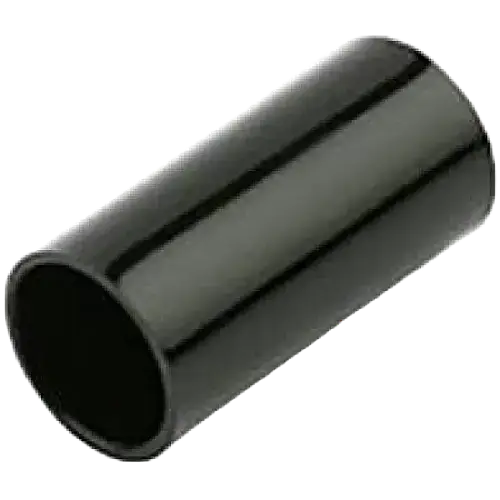
Once you’ve made your connections in junction boxes, cover them properly with PVC covers. They come in white for visible installations and black for areas where you want them less noticeable. Simple, but essential.
Lighting Solutions for Kenyan Homes
Lighting technology has evolved, but choosing the right fixtures still matters. For outdoor and utility areas, bulkhead lights are practically unbeatable.
The Happy Homes 18W models provide excellent illumination for walkways, balconies, and smaller outdoor areas. Need something brighter for parking areas or larger spaces? The 24W bulkhead lights deliver serious lumens.
These come in both oval and round designs, so you can match your architectural style. I’ve got the round ones on my compound, and they’ve survived everything Nairobi weather has thrown at them—and trust me, that’s saying something.
Where to Buy: Quality Matters More Than Price
This is probably the most important section of this entire guide. FYI, where you buy matters just as much as what you buy.
I’ve tried pretty much every electrical supplier in Nairobi at some point, and here’s what I’ve learned: the cheapest option usually isn’t. When that bargain cable fails or that discount breaker doesn’t trip when it should, you end up spending more on repairs and replacements.
Huda.ke has become my go-to supplier for one simple reason—consistency. Every product I’ve bought from them has met or exceeded expectations. The Tronic cables are always properly gauged. The Andeli breakers trip accurately. The Evincab wiring holds up over time.
Plus, their website actually works. You can browse products, check availability, and order online without the frustration that comes with most Kenyan e-commerce sites. It’s 2026—this should be standard, but somehow it still isn’t everywhere.
Common Mistakes to Avoid
Let me save you from the mistakes I’ve made (and seen others make):
Undersizing Cables: That 1.5mm cable might look like it’ll work for your socket circuit, but when you start plugging in multiple appliances, you’ll regret it. Use proper 2.5mm cables for power circuits.
Wrong Breaker Ratings: Matching your breaker to the cable size and expected load isn’t optional. A 32A breaker on a 1.5mm cable is a fire waiting to happen.
Skipping Earth Connections: That green earth wire isn’t decorative. It’s literally a lifesaver. Never, ever skip proper earthing.
Mixing Brands Randomly: While you don’t have to use all one brand, understand compatibility. Not all breakers fit all consumer units. Know what you’re buying.
Buying Based Only on Price: I get it, budgets are tight. But electrical supplies are one area where quality directly impacts safety. That few hundred shillings you save on cheap cable ties or inferior circuit breakers isn’t worth the risk.
Planning Your Purchase
Before you start buying, sit down and actually plan your installation:
- Calculate Your Loads: Know what each circuit will carry. This determines cable sizes and breaker ratings.
- Draw a Layout: Even a rough sketch helps. You’ll know exactly how much cable you need instead of guessing.
- List Everything: Cables, breakers, accessories—write it all down. There’s nothing worse than being halfway through an installation and realizing you forgot cable clips.
- Add 10-15% Extra: Cables get cut wrong. Things don’t go exactly to plan. Having extra material beats making emergency trips to the shop.
- Buy Quality Once: Rather than buying cheap and replacing later, invest in proper materials from the start. Those Evincab cables cost a bit more upfront, but they’ll still be working perfectly years from now.
The Bottom Line
Buying electrical supplies in Kenya in 2026 doesn’t have to be complicated or stressful. Know what you need, understand why you need it, and buy from reputable suppliers who stand behind their products.
Whether you’re wiring a new home, adding circuits to an existing building, or just doing some repairs, the principles remain the same: proper sizing, quality materials, and correct installation. Get those right, and your electrical system will serve you reliably for decades.
Check out Huda.ke’s complete shop for everything from basic single cables to complete distribution solutions with consumer units and all the accessories you need.
Your electrical installation is too important to leave to chance. Do it right the first time, and you’ll never have to worry about it again. :)v