So here’s a fun fact nobody tells you when you’re cabling: the cables hidden in your walls are basically holding your entire home’s safety in their copper hands. Sounds dramatic? Maybe. But I’ve seen what happens when people go cheap on electrical cables, and trust me, it’s not pretty.
Let me guess, you’re renovating, building, or fixing up a place, and someone’s suggested you “save money” on cables because “they’re all the same anyway.” Yeah, no. That’s like saying all parachutes are the same. Technically true until you need one that actually works.
The Ugali-and-Sukuma Reality of Electrical Safety
Here’s the thing about electrical cables in Kenya: they’re working overtime in conditions they weren’t always designed for. Power surges, voltage fluctuations, that random spike when KPLC decides to keep us on our toes—our cables deal with a lot.
I learned this the hard way when I helped a cousin wire his rental units using bargain-basement cables from some random hardware store. Six months later? Melted insulation, frequent trips, and one very close call with an actual fire. The “savings” cost him triple in rewiring, plus the stress of potentially endangering tenants.
Never again. FYI, electrical cables are literally the last place you want to pinch pennies.
What Actually Makes a Cable “Quality”?
Good question. It’s not just about looking shiny or having fancy packaging. Quality cables have proper copper content, adequate insulation thickness, and consistent manufacturing standards. The cheap stuff? Often uses aluminum mixed with copper (which overheats), thin insulation that degrades fast, and quality control that’s basically non-existent.
Brands like Tronic and Evincab have built reputations because they consistently deliver cables that meet safety standards. Are they the most expensive? Not really. But they’re definitely not the cheapest—and that’s actually a good thing.
Single-Core Cables: The Versatile Workhorses
Let’s start with single-core cables because these bad boys are everywhere in Kenyan installations. They’re flexible, easy to work with, and perfect for conduit installations.
The 1.5mm Singles: Your Lighting Circuit Heroes
For lighting circuits, 1.5mm single cables are your go-to. They handle the load perfectly without being overkill.
The Tronic 1.5mm single black is what I use for live wires in lighting circuits. Pair it with the Tronic 1.5mm single green for earth connections and the Tronic 1.5mm single red for switching circuits, and you’ve got a properly color-coded, safe installation.
Why color-coding matters: Ever tried troubleshooting a circuit where everything’s the same color? It’s like solving a puzzle in the dark. With proper color coding, you (or the next electrician) can immediately identify what’s what. The Evincab 1.5mm black, Evincab 1.5mm green, and Evincab 1.5mm red options give you the same flexibility.
Stepping Up: 2.5mm for Power Circuits
Now, when you’re dealing with sockets and power outlets, 1.5mm won’t cut it. You need the beef of 2.5mm cables.
The Evincab 2.5mm black handles the current load from multiple appliances without overheating. I’ve used these in kitchens, workshops, and offices—they just work. Don’t forget the Evincab 2.5mm green for proper earthing because, honestly, earthing isn’t optional. It’s the difference between a minor fault and someone getting shocked.
Twin and Earth Cables: The All-in-One Solution
Ever wondered why some electricians swear by twin and earth (T&E) cables? Because they’re pre-packaged convenience with built-in safety.
What Makes T&E Cables Special
Twin and earth cables combine your live, neutral, and earth wires in one sheath. This means fewer mistakes during installation, cleaner runs through walls, and less chance of mixing up your wiring. :/
The Evincab 1.5mm T&E grey is perfect for lighting circuits. One cable, three conductors, done. For power circuits, step up to the Evincab 2.5mm T&E grey.
IMO, T&E cables are slightly more expensive per meter but save you time and reduce installation errors. When you factor in labor costs and the reduced risk of mistakes, they often work out cheaper overall.
Flex Cables: For Everything That Moves
Now let’s talk flex cables—the unsung heroes of electrical installations. These are what you use for pendant lights, table lamps, extension cords, and basically anything that needs flexibility.
Why Regular Cables Don’t Work for Flex Applications
Ever seen someone use regular single-core cable for a pendant light? It works… until it doesn’t. Regular cables aren’t designed for repeated bending and movement. They’ll eventually crack, expose conductors, and create serious safety hazards.
Proper flex cables have finely stranded conductors that handle movement without breaking. The 1.5mm flex works for most pendant lights and small appliances. Need more capacity? The 2.5mm flex handles heavier loads like power tools and kitchen appliances.
I’ve installed dozens of ceiling fixtures using proper flex, and guess what? Zero callbacks for drooping, cracked, or failed connections. Compare that to the DIY jobs I’ve had to fix where someone used solid core cable that eventually failed.
Aerial Cables: When You Need to Span Distances
Here’s something most people don’t think about until they need it: running power between buildings or across open spaces.
Regular cables sag, get damaged by weather, and basically become liability waiting to happen. That’s where aerial cables come in. These bad boys have built-in steel messenger wires that support the conductors, keeping everything safe and secure even in wind and rain.
I used aerial cable to connect a main house to a separate gate house, and it’s been rock-solid for three years through crazy weather. Try that with regular cable zip-tied to a clothesline (yes, I’ve seen this) and you’re asking for trouble.
The Installation Ecosystem: It’s Not Just Cables
Alright, real talk: quality cables are worthless if you don’t install them properly. Let me walk you through the supporting cast that makes everything work.
Cavity Boxes: The Foundation of Safe Outlets
Never, and I mean never, mount sockets directly into walls without proper cavity boxes. I’ve seen so many “modern” looking installations where someone just punched a hole and stuffed cables in. That’s a fire waiting for an invitation.
The 35mm 3×3 cavity box fits standard single or double sockets. Need to gang multiple switches or outlets? The 35mm 3×6 cavity box gives you the space.
These boxes protect cables from damage, contain any arcing or sparking, and provide proper support for your fixtures. They’re cheap insurance against expensive disasters.
Cable Management: The Difference Between Pro and Amateur
You know what separates a professional installation from a DIY mess? Cable management. And I’m not just talking aesthetics—though properly routed cables do look way better.
Good cable management prevents:
- Accidental damage from nails or drilling
- Strain on connections
- Overheating from bundled cables
- Confusion during future maintenance
Stock up on cable clips for securing runs along surfaces. When you’re bundling multiple cables, use 150×5 cable ties for tight spaces, 200×5 cable ties for standard applications, 300×5 cable ties for larger bundles, and 350×5 cable ties when you’re wrangling serious cable runs.
Ceiling Accessories: Don’t Forget the Details
Light fixtures need proper mounting and connection points. The ceiling rose provides a solid mounting point for pendant lights and fans while safely enclosing connections.
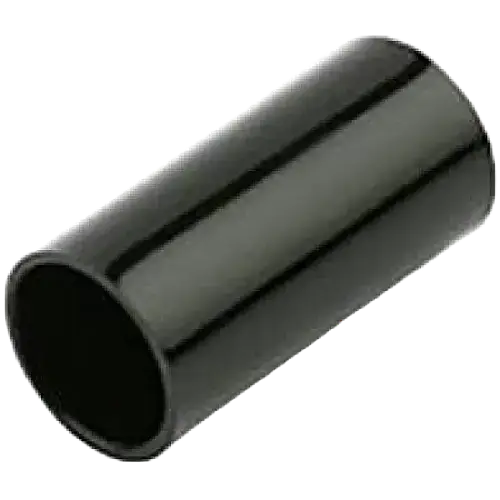
For surface-mounted installations, grab PVC round covers in black or white to create clean, professional-looking termination points.
The Real Cost of Cheap Cables: A Cautionary Tale
Let me paint you a picture. My neighbor once bragged about saving 40% on cables by buying from some guy on the side of the road. The cables looked fine—proper markings, decent packaging, the works.
Six months later, his fridge stopped working. Then his TV. Investigation revealed the “copper” cables were actually copper-coated aluminum with insulation so thin it had degraded from normal heat cycles. He spent more on replacing damaged appliances than he would’ve spent buying quality cables in the first place. 🙂
Counterfeit cables are a genuine problem in Kenya. They look similar to quality brands but use substandard materials that fail catastrophically. Some warning signs:
- Unusually cheap prices (like, crazy cheap)
- Inconsistent markings or misspellings
- Lightweight feel (proper copper has heft)
- Insulation that feels waxy or tears easily
- Sellers who can’t provide documentation
Why Huda.ke Is Your Best Bet for Quality Cables
Look, I’ve bought cables from all over Nairobi—hardware stores, roadside vendors, fancy electrical shops in town. Here’s why Huda.ke has become my default source:
Authenticity Guaranteed
They stock genuine Tronic and Evincab cables, not knockoffs with similar-sounding names. When you order Tronic 1.5mm cable, you get actual Tronic cable. Sounds basic, but in the Kenyan market, this matters.
The Convenience Factor
Shopping for cables the traditional way means driving to multiple stores, comparing prices, dealing with traffic, and hoping they have what you need in stock. Huda.ke lets you browse their entire electrical cable selection online, compare products, and get everything delivered.
I recently needed to stock up for a project—different gauges, colors, plus all the accessories. Ordered everything Sunday evening, got it Tuesday morning. Try matching that convenience walking around River Road.
Competitive Pricing Without Compromise
They’re not the cheapest (red flag if anyone is), but their prices are competitive with legitimate shops while maintaining quality standards. Plus, when you factor in time saved, fuel costs, and the peace of mind from genuine products, they’re actually the best value.
Practical Cable Selection Guide: What Goes Where
Alright, let’s get practical. Here’s my quick-reference guide for choosing cables:
Lighting Circuits
- Main runs: 1.5mm T&E cable or singles
- Pendant drops: 1.5mm flex cable
- Color coding: Black (live), green (earth), red/blue (switching)
Power Outlets (Sockets)
- Socket circuits: 2.5mm T&E cable or singles
- High-load appliances: Individual 2.5mm circuits
- Kitchen circuits: Separate 2.5mm runs for appliances
Special Applications
- Outdoor runs: Proper conduit with quality singles
- Building-to-building: Aerial cable
- Workshop/garage: 2.5mm flex for tools
Installation Mistakes That’ll Haunt You
Let me share some facepalm moments I’ve witnessed (and unfortunately, caused) over the years:
Undersizing Cables for the Load
This is probably the most common mistake. Someone figures 1.5mm worked for their bedroom outlet, so it’ll work for the kitchen too. Wrong. Kitchens draw serious current—toasters, kettles, microwaves, fridges. Undersized cables overheat, insulation melts, bad things happen.
Match your cable size to the actual load. When in doubt, go bigger. The cost difference between 1.5mm and 2.5mm cable is minimal compared to replacing everything after a failure.
Mixing Cable Types Mid-Circuit
I’ve seen installations where someone ran out of one brand and just spliced in whatever they had lying around. Different cables have different resistance characteristics. This creates hot spots at connections and uneven voltage drops.
Stick with one brand and type per circuit. If you’re using Evincab singles, use them throughout. Don’t mix and match unless you enjoy troubleshooting mysterious problems.
Ignoring Earth Connections
Some folks still think earthing is optional or “just for show.” It’s not. Earthing is literally the thing that keeps you from becoming a conductor when something goes wrong.
Every circuit needs proper earthing using the right gauge—1.5mm green for lighting, 2.5mm green for power circuits. No exceptions, no shortcuts.
The Long-Term View: Cables as Investment
Here’s how I think about electrical cables now: they’re not an expense; they’re an investment in safety, reliability, and peace of mind.
Quality cables last 20+ years with zero issues. Cheap cables might last 5 years before problems start, then you’re looking at:
- Rewiring costs (labor’s expensive)
- Damaged appliances
- Downtime and inconvenience
- Potential safety incidents
Do the math. Spending a bit more upfront on quality cables from Huda.ke literally pays for itself in avoided problems and longer lifespan.
Final Thoughts: Your Safety Isn’t Negotiable
Look, I get it. Building or renovating in Kenya is expensive, and everywhere you turn, someone’s trying to sell you something. The pressure to cut costs is real.
But electrical cables? This isn’t the place to economize. These cables will be hidden in your walls for decades, silently doing their job or silently failing and creating risks. You won’t see them, think about them, or appreciate them—until something goes wrong.
Go with proven brands like Tronic and Evincab. Buy from reputable suppliers like Huda.ke who stock genuine products. Hire qualified electricians who know what they’re doing. And for the love of all things electrical, properly size your cables for the load.
Your future self—the one who’s enjoying reliable power without worrying about electrical fires—will thank you. And honestly, isn’t that worth a few extra shillings per meter? I think so. 🙂
Now go wire your place properly, and maybe sleep a little better knowing your electrical system isn’t a ticking time bomb. You’re welcome.